A Closer Look at Elise Prudhomme’s Photographic Prints: Techniques & Inspirations
Photography Work
I have been exploring photography since my mid-teens, after taking a class in black & white printing at Smith College. The magic of chemistry, combined with the precision of the lens, was the sought-after solution for my creative outlets.
My work focuses on our evolving relationship to the environment. Themes of territory, human intervention and transformation guide me in the search for unpredictable and intriguing scenes, bordering on the iconic, which I call the “new picturesque”.
For me, the medium of photography is the ideal way to combine my lively avid gaze, sense of humor and appetite for the unexpected. Composition is totally intuitive for me – akin to music – complex and detailed. Regardless of the source of inspiration (personal or professional), taking photographs is the discovery of rhythms, lines and patterns in geometry. Like Henri Cartier-Bresson said “you see a photograph all at once like a painting”.
The Wet Darkroom
All of my photographs are developed and printed by my own hand which is a rare thing these days. Whenever possible, I prefer to work in an analog environment with film negatives in a wet darkroom. Working in the lab on a silver-gelatin print is like cooking in the kitchen but with different ingredients! Learning how to use different photographic tools, experimenting with unusual film formats and chemistry, developing recipes for film emulsions and exploring printable surfaces are some of the exciting aspects of my creation.
I experiment with diverse historical techniques where happy accidents are the secret to my unique visual pieces. Alternative processes such as platinum-palladium, cyanotype (see the series Ferric) and gum arabic are no longer a mystery to me.
My love of the craft of photography, combined with a true artisan’s spirit, is at the heart of my work.
Historical Printing Processes
100% HANDCRAFTED
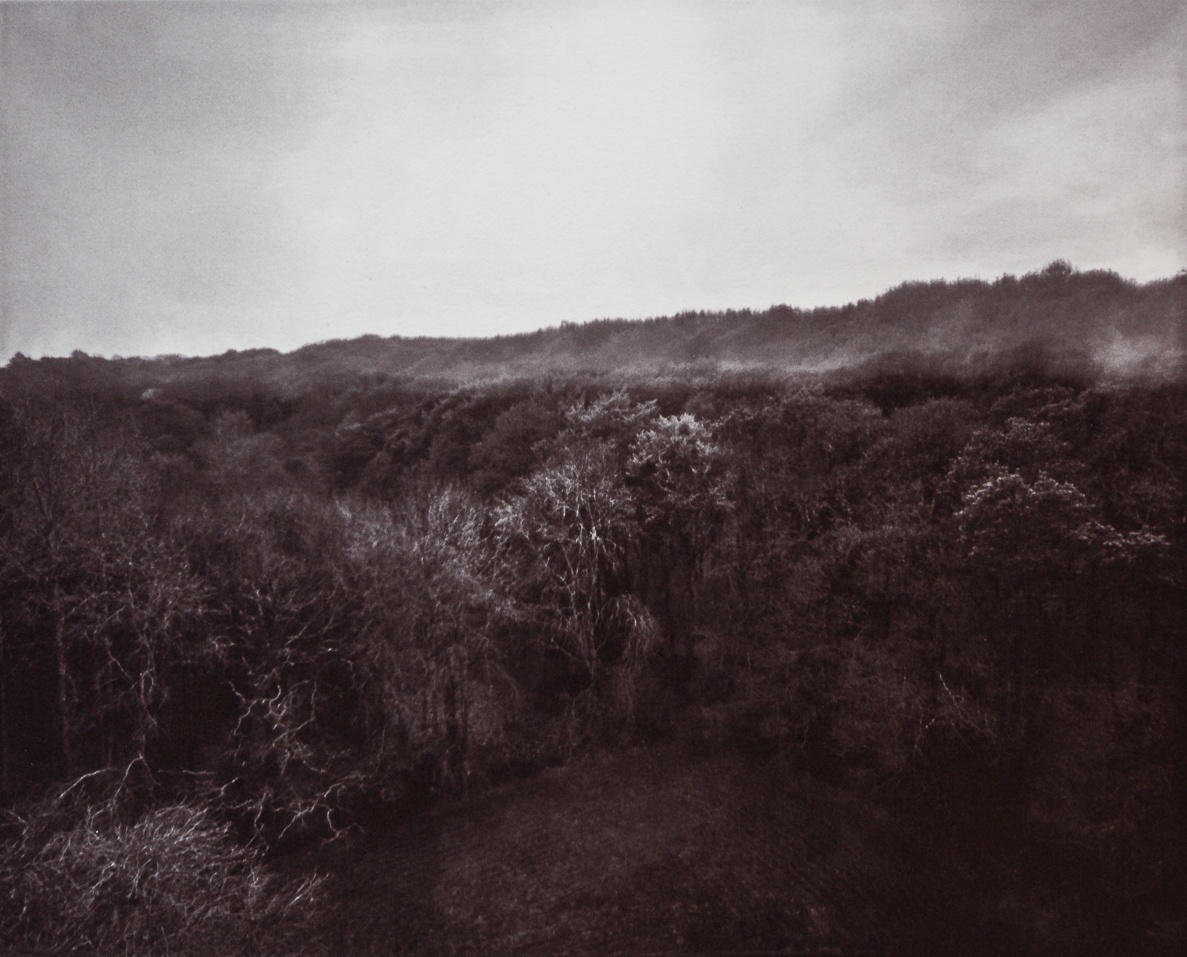
The prints in the exhibition Coast-in-tint | Portrait of a Landscape, with the exception of the panoramic formats, were made in a darkroom using revisited 19th-century techniques. It’s a very time-consuming and entirely manual process that requires precision and patience to illuminate the images in cyanotype, kallitype, platinotype, or four-color printing.
The sun is an inexpensive and effective source of UV light. Unfortunately, depending on where you live in the world, it isn’t always available when you’re ready to make your prints. To remedy this issue, I built a UV exposure unit to begin working with historical processes.
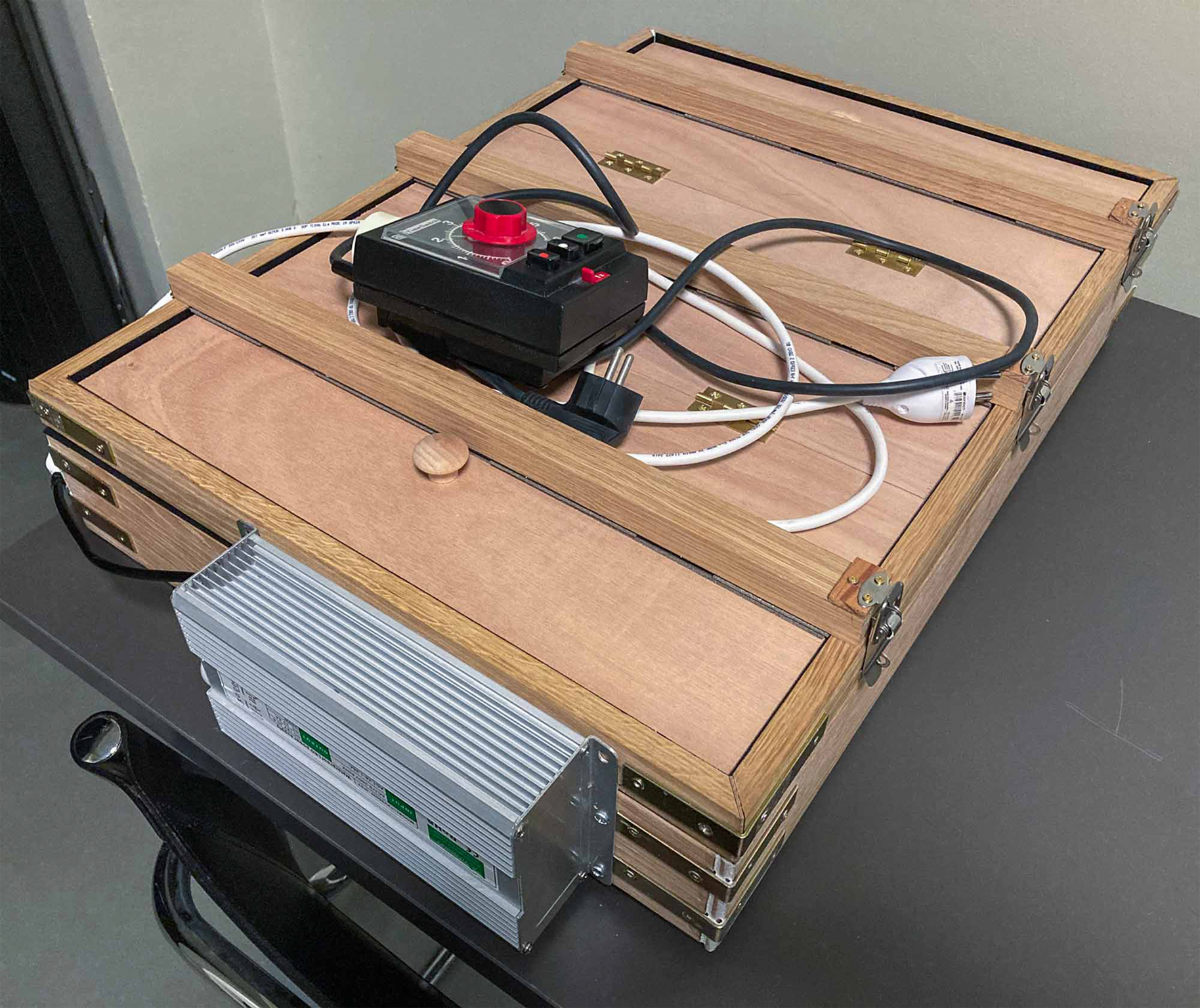
Working with a UV light box allows for consistent exposure times and reduces the number of variables contributing to these scientific processes. 1,000 watt metal halides, high intensity discharge lamps, compact fluorescent lamps and now UV LED strips are some of the options available for this purpose.
CYANOTYPE PRINTING
Check out my newly published press article about the technical challenges of this very popular printing process!
Cyanotype was developed in 1842 by English scientist John Herschel. A solution of ferric ammonium citrate (iron) and potassium ferricyanide (salt) was applied to one side of the paper that would receive the image. Areas of the compound exposed to strong light were converted into an insoluble blue ferric ferrocyanide (Prussian blue), and the soluble chemicals were washed off with water.
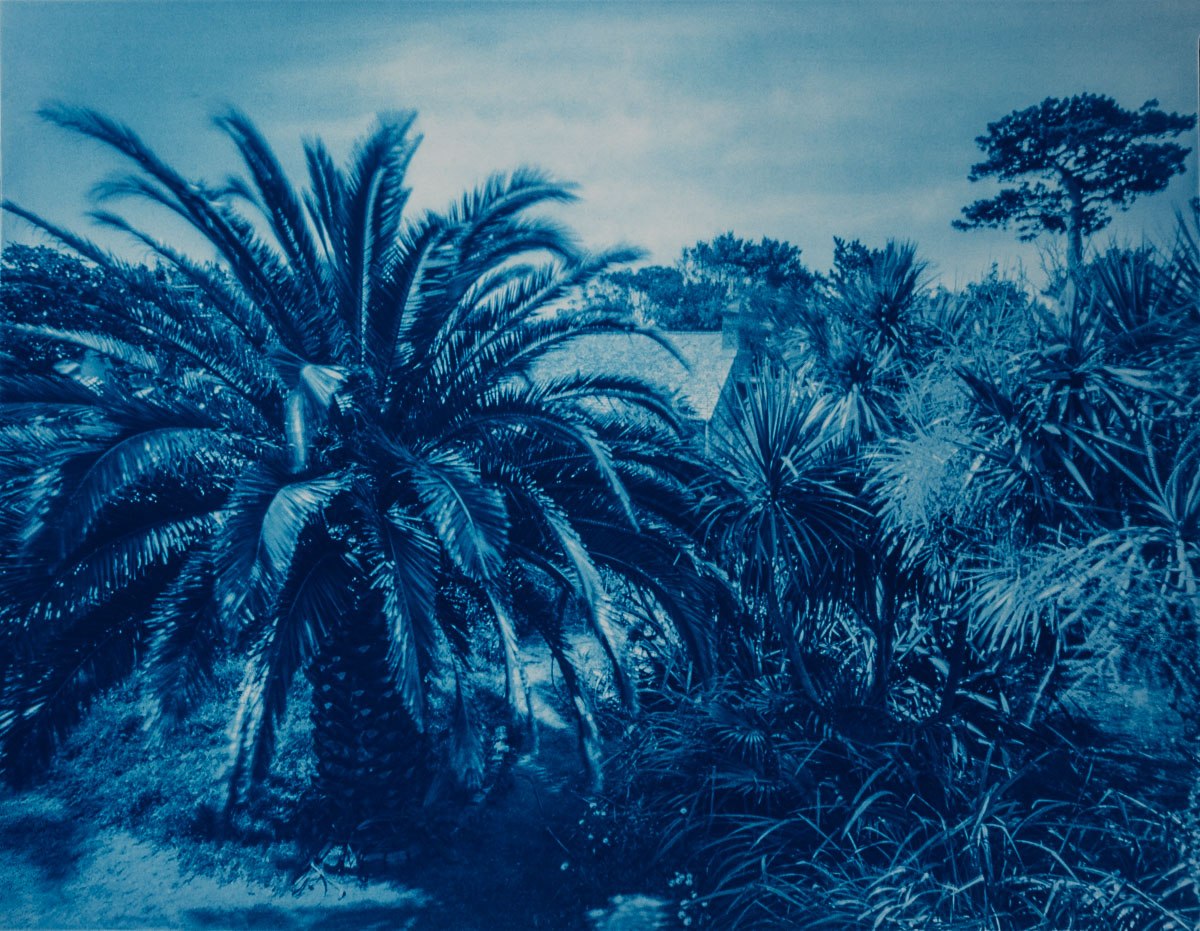
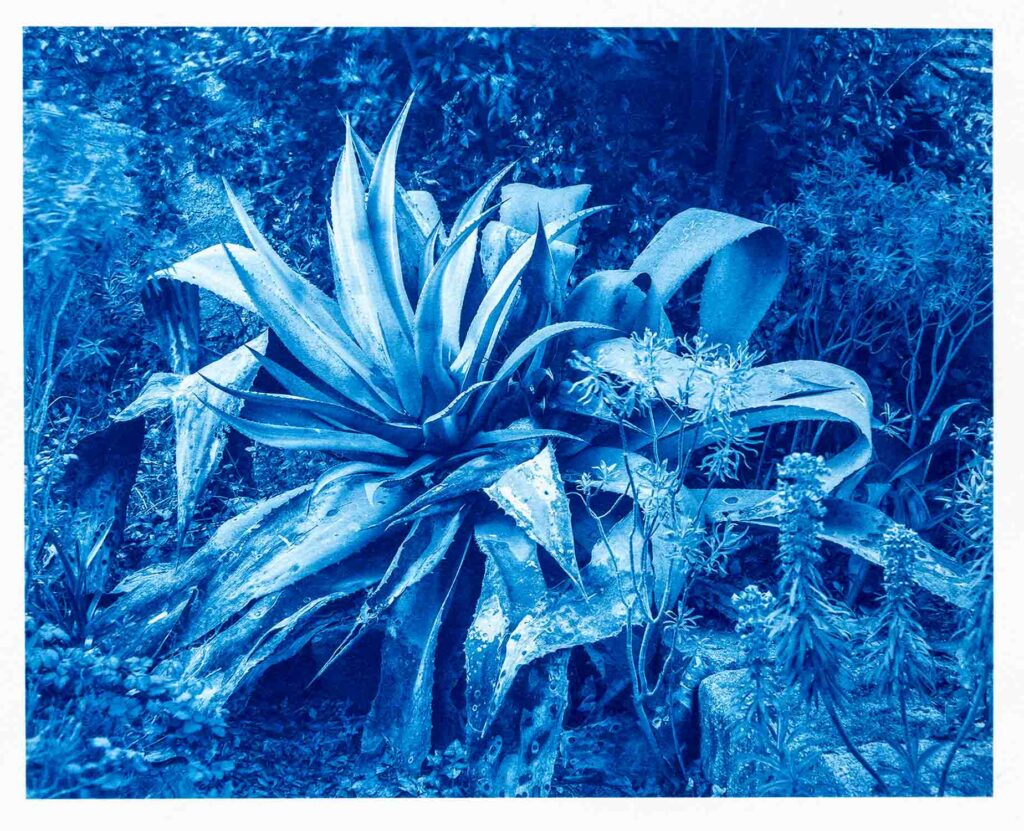
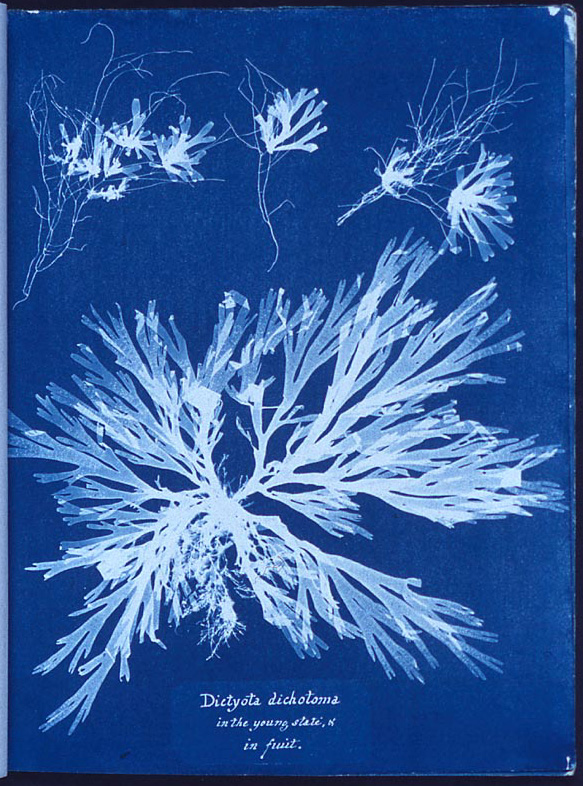
Famous for her use of cyanotype and photograms, Anna Atkins created the first photographic book containing cyanotype images of plants: British Algae: Cyanotype Impressions.
THE SALTED PAPER PROCESS
The salted paper process is the result of a rather elaborate experiment conducted by William Henry Fox Talbot in the 1830s to create photogenic drawings rather than freehand attempts with a camera lucida (a drawing and tracing instrument invented in the 1800s). Talbot wanted to impress his friends and neighbors with a solution that would allow for a realistic graphic interpretation of a subject.
Thanks to his knowledge of silver salts, Talbot was eventually able to label his discovery “the art of photogenic drawing” by soaking stationary paper in a solution of gelatin and sodium chloride (common table salt) and then coating it with silver nitrate to sensitize the paper to light.
FOUR-COLOR PRINTING WITH GUM ARABIC
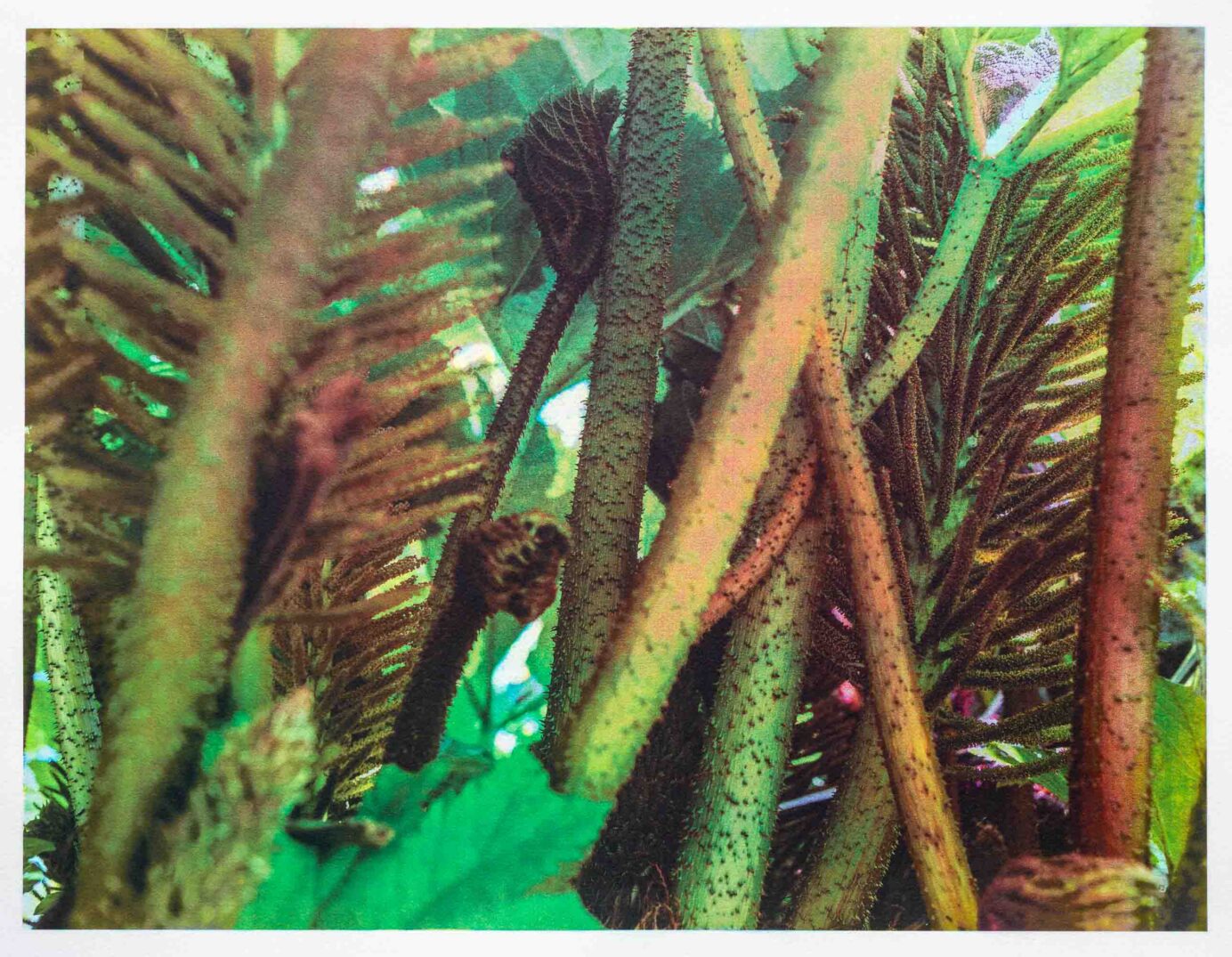
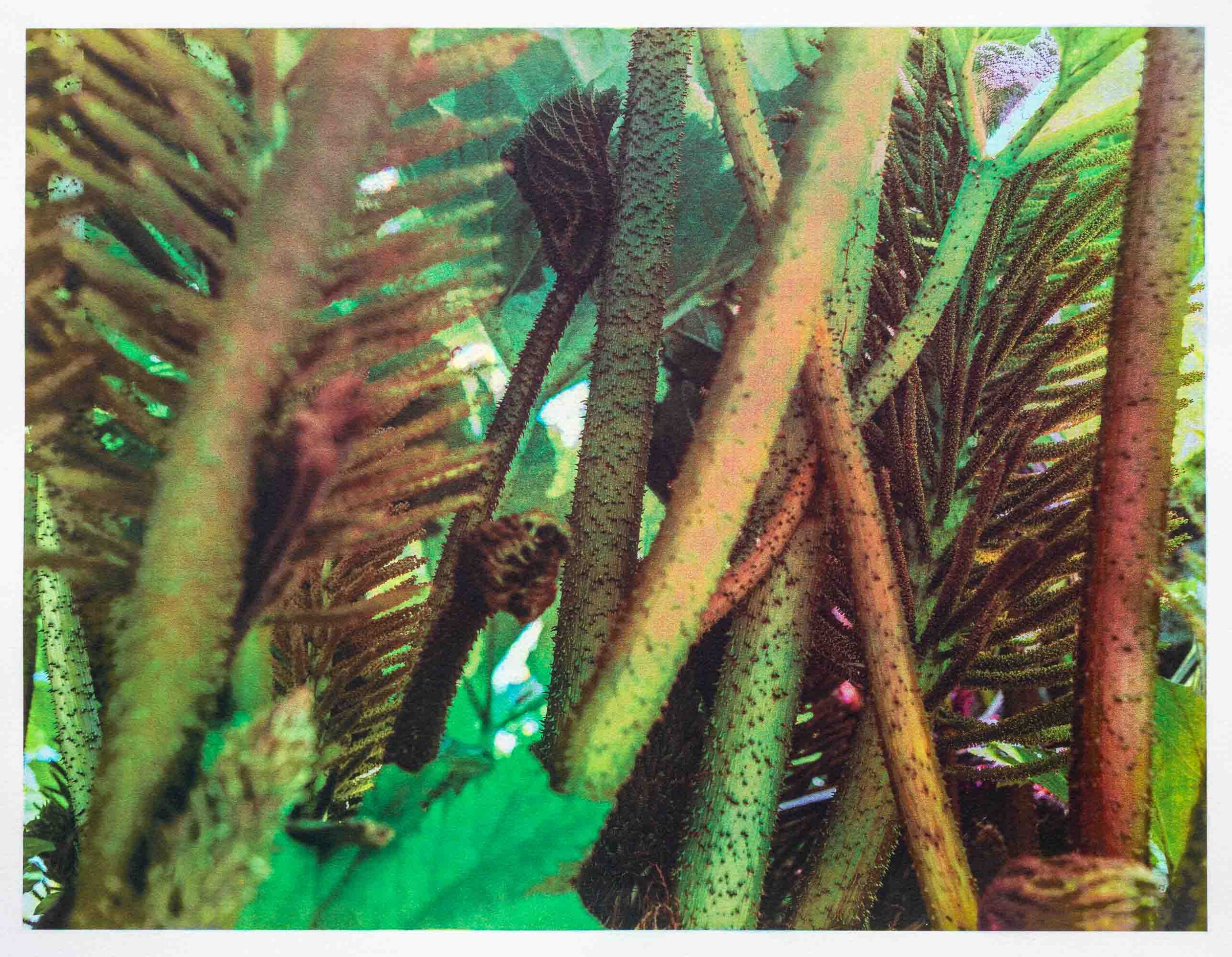
Gum is an iconic process in the art of photography. Complex and time-consuming to implement, the prints produced throughout the history of photography are rare, and even rarer in color.
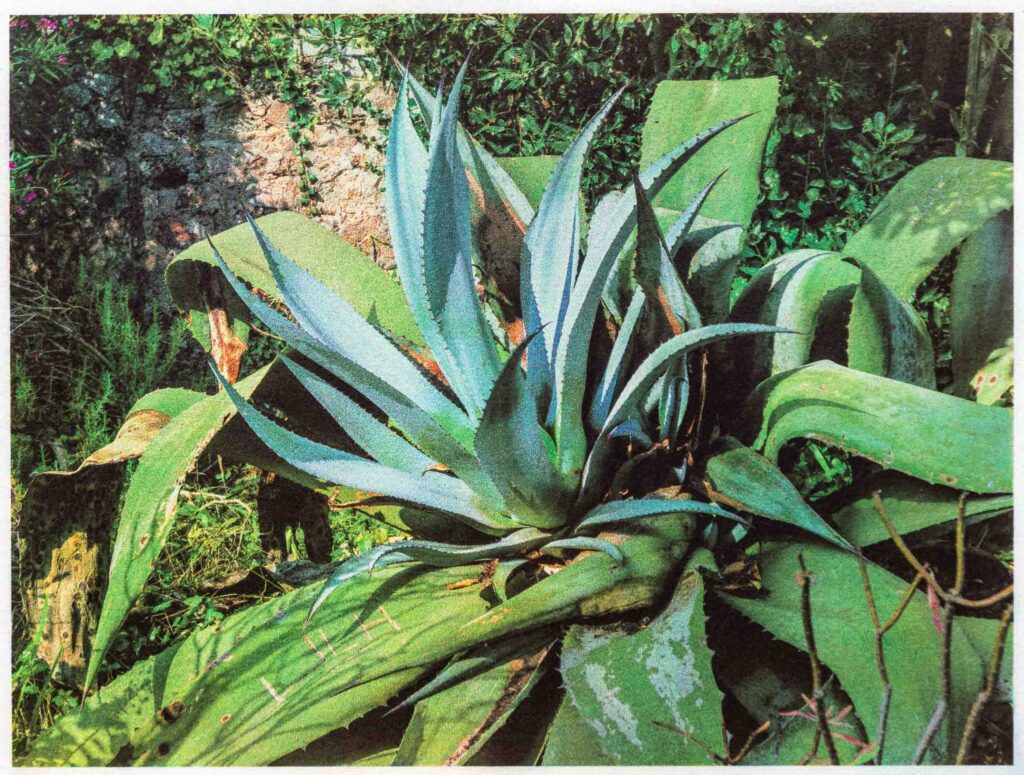
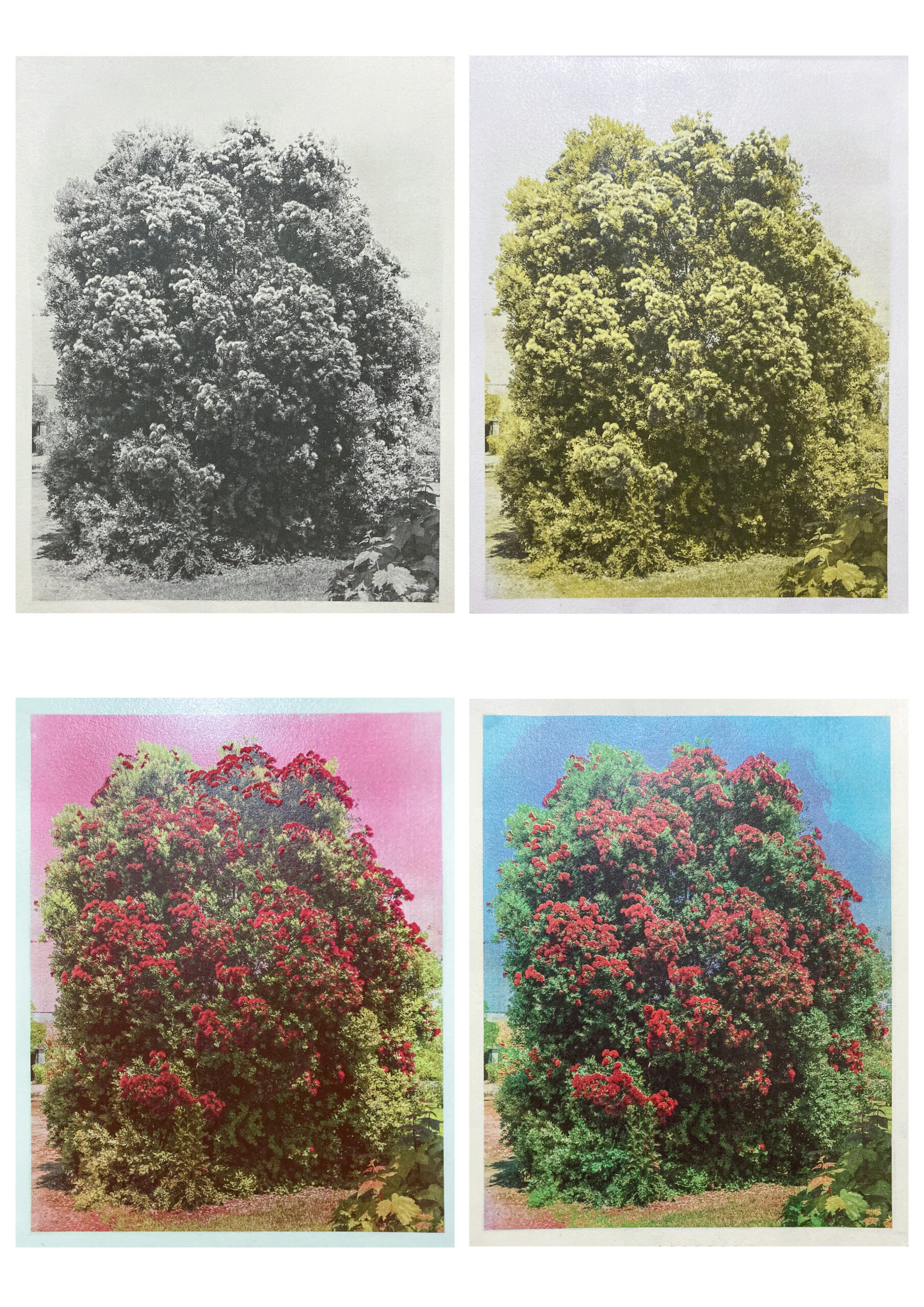
These prints are made with successive layers of pigmented and light-sensitized gum arabic. Gum has the same lifespan as its pigments and paper, which can last for centuries for good quality prints. Four-color gum reproduces colors through superimposed layers of the three primary colors: blue, yellow and red plus black. I use carefully selected dry pigments for each print.
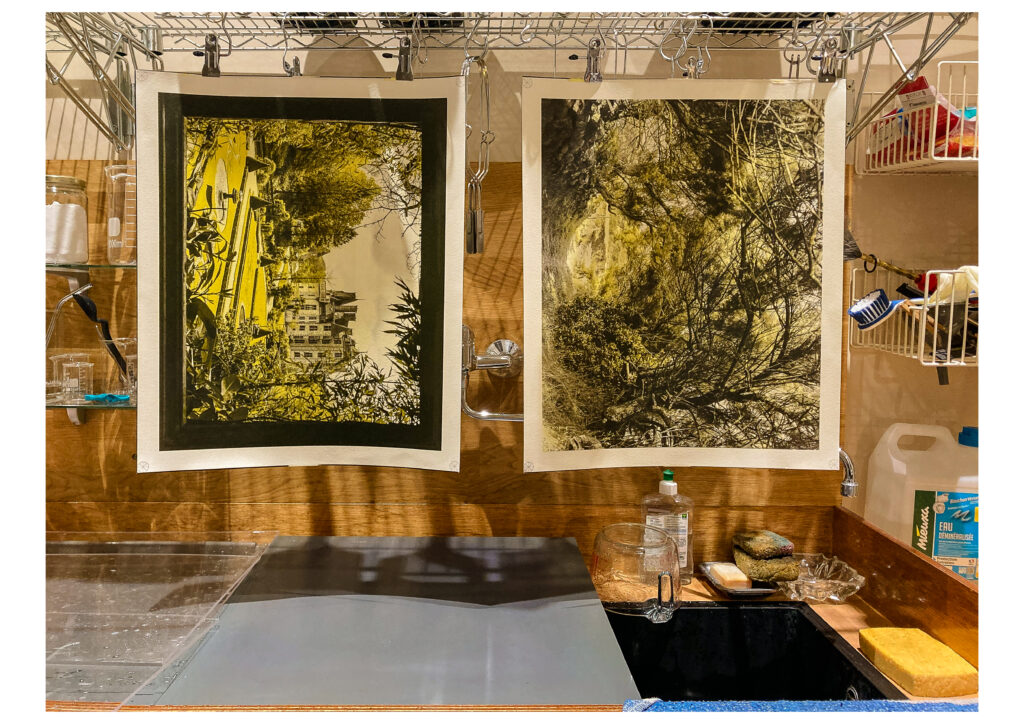
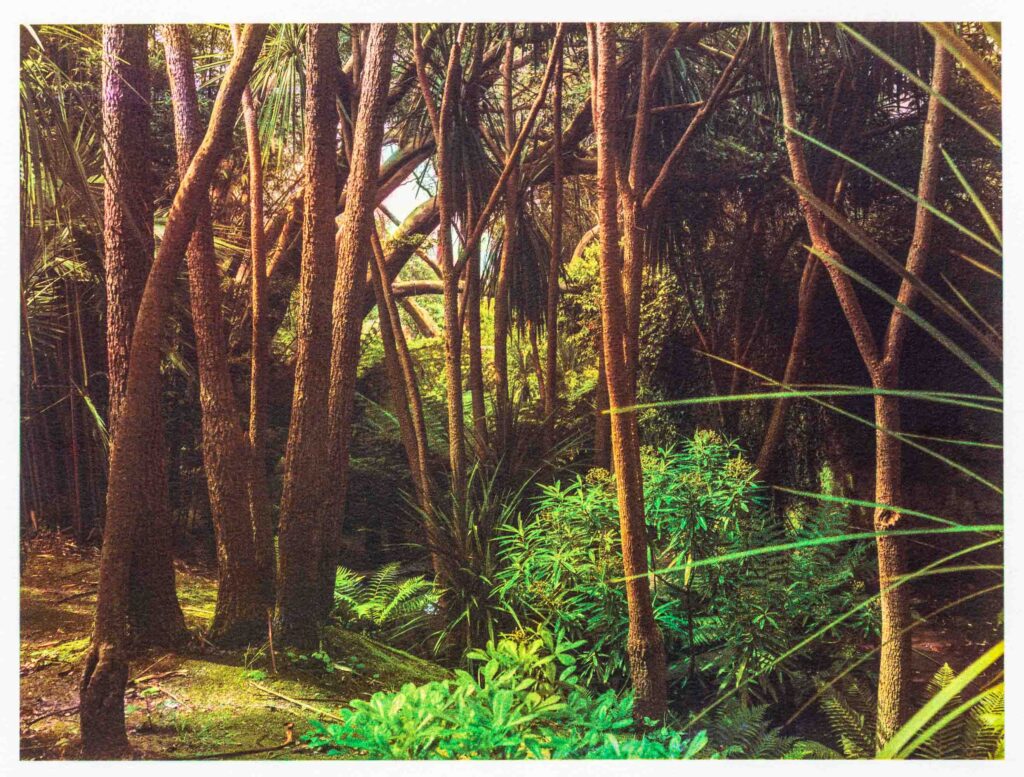
Even more sought-after, the three-color gum process over platinum-palladium is considered by many to be the Holy Grail. The platinum-palladium process is combined with the gum in three layers for a fine and permanent result. The long and complex process makes it virtually impossible to reproduce an exact print. When I print several copies of a photograph using this technique, it is a small series of which each print is a variation.
Au sujet des tirages
UN TRAVAIL 100% ARTISANAL
Les tirages de l’exposition, à l’exception des formats panoramique, ont été réalisés dans une chambre noire avec des techniques datant du 19ème siècle revisités. C’est un travail très long et entièrement manuel qui demande de la précision et de la patience pour mettre en lumière les images sous forme de cyanotype, kallitype, platinotype ou quadrichromie.
En 2021, j’ai construit une boîte lumineuse à bande LED UV pour démarrer un apprentissage autodidacte sur des procédés historiques.
Le soleil est une source de lumière UV peu coûteuse et efficace. Malheureusement, selon l’endroit où vous vivez dans le monde, il n’est pas toujours là quand vous êtes prêt à exposer vos tirages.
De plus, il est agréable d’avoir une unité d’exposition aux UV. car elle permet d’avoir une cohérence dans les temps d’exposition et de réduire la quantité de variables contribuant à ces processus scientifiques.
Les halogénures métalliques de 1,000 watts, les lampes à décharge haute intensité, les lampes fluorescentes compactes et maintenant les bandes LED UV sont quelques-unes des options disponibles à cet effet.
LE TIRAGE CYANOTYPE
Le cyanotype a été développé en 1842 par le scientifique anglais John Herschel.
Une solution composée de citrate d’ammonium ferrique (fer) et de ferricyanure de potassium (sel) est appliquée sur une face du papier qui recevra l’image. Les zones du composé exposées à une forte lumière sont converties en ferrocyanure ferrique bleu insoluble (bleu de Prusse) et les produits chimiques solubles sont éliminés dans l’eau.
Célèbre pour son utilisation du cyanotype et des photogrammes, Anna Atkins a réalisé le premier livre photographique contenant des images cyanotypes de plantes : British Algae : Cyanotype Impressions.
LE PROCÉDÉ DU PAPIER SALÉ
Le procédé du papier salé est le résultat d’une expérimentation plutôt élaborée menée par Willam Henry Fox Talbot dans les années 1830 pour réaliser des dessins photogéniques plutôt que de tentatives à main levée avec une « camera lucida » (un instrument de dessin et de traçage inventé dans les années 1800). Talbot souhaitait impressionner ses amis et voisins avec une solution permettant d’obtenir une interprétation graphique réaliste d’un sujet.
Grâce à sa connaissance des sels d’argent, Talbot a finalement pu qualifier sa découverte de « l’art du dessin photogénique » en encollant un papier stationnaire dans une solution de gélatine et de chlorure de sodium (sel de table commun) et en l’enduisant ensuite de nitrate d’argent pour sensibiliser le papier à la lumière.
TIRAGE EN QUADRICHROMIE À LA GOMME ARABIQUE
La gomme est un procédé emblématique dans l’art de la photographie. Complexe et long à mettre en œuvre, les épreuves produites tout au long de l’histoire de la photographie sont rares et plus encore pour les épreuves en couleur.
Les tirages sont réalisées par couches successives de gomme arabique pigmentée et sensibilisée à la lumière ce qui permet de réaliser des épreuves en couleur. Une gomme a l’espérance de vie de ses pigments et du papier soit des siècles pour les bonnes qualités.
La gomme en quadrichromie restitue les couleurs par couches superposées des trois primaires : bleu, jaune, rouge plus du noir. J’utilise des pigments secs soigneusements choisis pour chaque épreuve.
Encore plus recherché, le procédé gomme trichrome sur platinotype est considéré par beaucoup comme un Graal. Le processus platine-palladium est combiné avec la gomme en trois couches pour un rendu fin et permanent.
Le procédé, long et complexe, rend pratiquement impossible la reproduction à l’identique d’une épreuve. Lorsqu’une prise de vue est tirée en plusieurs exemplaires, c’est en petite série dont chaque épreuve est une variation.